If you keep telling yourself “I should leave” but cannot walk away from someone who keeps hurting you, you are not weak, broken, or foolish. Recognizing the trauma bonding signs is often the first step toward freedom — because what keeps you there is not love, it is a psychological pattern that feels exactly like love. A trauma bond forms when a relationship mixes harm with moments of intense affection, and that unpredictable rhythm hijacks your brain’s reward system. This guide covers the 9 most telling trauma bonding signs, the science behind why this attachment is so hard to break, and a practical, compassionate roadmap to reclaiming yourself.
A note before we begin: If you are currently in an abusive relationship, your safety comes first — reading and learning is itself an act of strength. If you need immediate support, the National Domestic Violence Hotline offers free, confidential help 24/7 at 1-800-799-7233 or via chat. This article is educational, not medical advice.
What Is Trauma Bonding?
A trauma bond is a deep emotional attachment to someone who causes you harm. It develops through a repeated cycle: tension builds, a hurtful episode happens, then reconciliation — apologies, gifts, tenderness, the return of the person you fell in love with. That cycle of pain followed by relief is the engine of the bond.
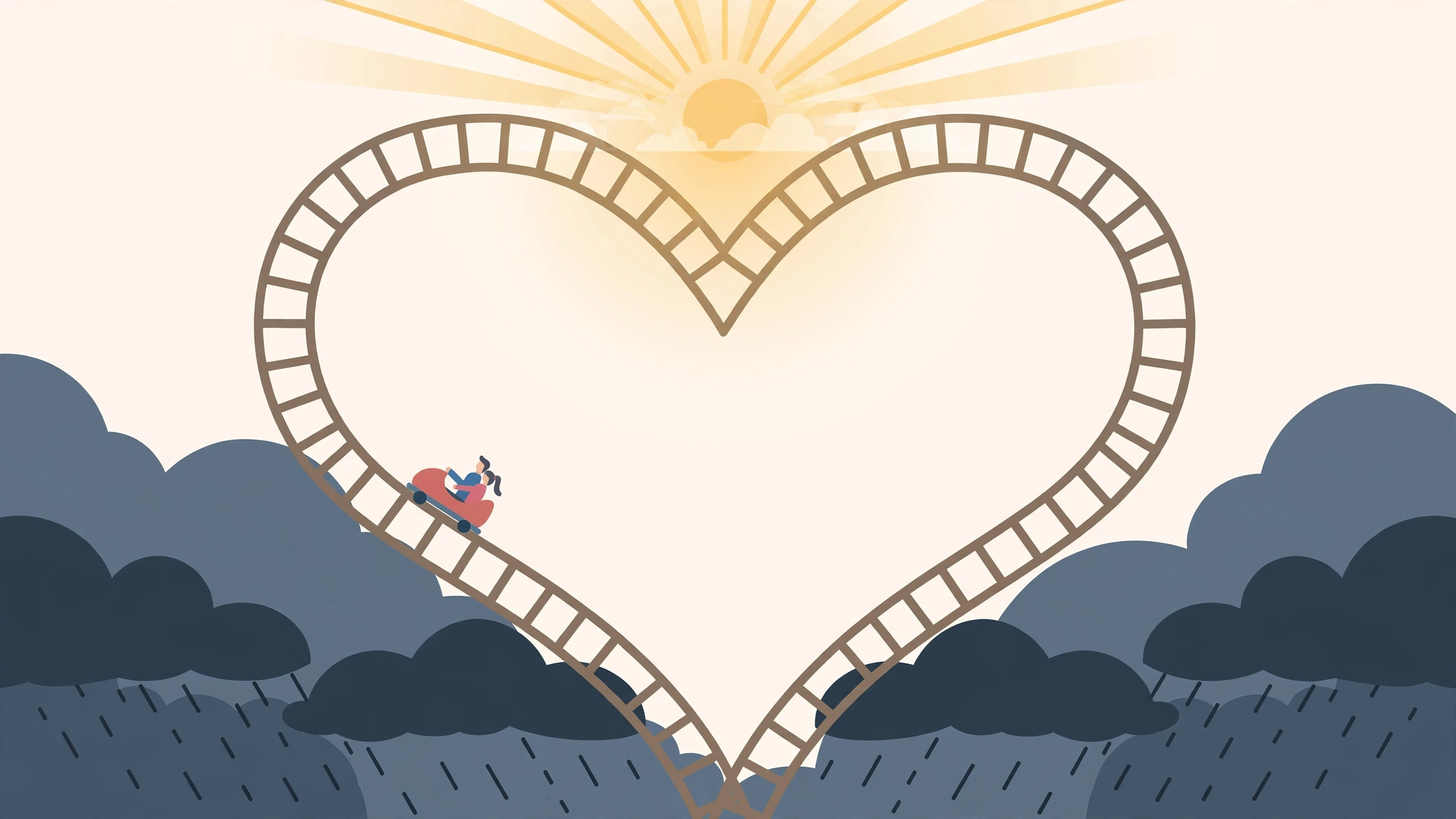
The key ingredient is intermittent reinforcement — affection that arrives unpredictably. Unpredictable rewards create stronger habits than consistent ones; it is the same principle behind slot machines. Your brain latches onto the relief when the “good version” of your partner returns: dopamine surges, affection releases oxytocin, and the attachment deepens. Constant stress floods your body with cortisol, keeping your nervous system in survival mode. The result feels like addiction — you crave the high of the reconciliation, not the person. Spotting these trauma bonding signs early matters, because the chemistry deepens with every cycle.
Trauma bonds are not limited to romance. They can form with an abusive caregiver, a controlling boss, a captor (Stockholm syndrome is one specific type), or a manipulative group. The pattern matters more than the setting: a power imbalance plus a cycle of harm and kindness.
Trauma Bonding Signs: The 9 Red Flags You’re Stuck
These trauma bonding signs don’t all have to appear at once — even three or four, felt strongly, deserve your attention.
1. You Cannot Leave, Even Though You Want To
You have rehearsed the conversation, maybe even packed a bag — and stayed. Your logical brain sees the harm, but the attachment overrides it. That gap between knowing and doing is not hypocrisy; it is the bond at work.
2. You Defend Them to Everyone Who Tries to Help
“He’s under a lot of stress.” You push back when friends say “this isn’t okay,” and may cut off anyone who names the abuse. Defending them shields the bond from outside reality checks, making it one of the most common trauma bonding signs.
3. You Excuse or Minimize What They Do
“It was only once.” “They didn’t mean it.” Absorbing their blame feels like control — if it is your fault, you can fix it. But abuse is never your fault, and being “better” will never stop it.
4. You Live on Eggshells
You study their mood like weather and silence yourself to avoid setting them off. That is hypervigilance — a body stuck in threat-detection mode. If peace at home depends on your performance, that is not harmony.
5. You Realize You Don’t Even Like Them Anymore
Perhaps the most haunting of the trauma bonding signs: you feel angry, flinch at their touch — and stay anyway. Liking is a feeling; bonding is a tether. When the bond outlives affection, you see the mechanism clearly.
6. You Cling to the “Good Days” as Proof
The last wonderful weekend becomes the exhibit you replay when doubts surface. But healthy love is measured by consistent kindness, not rare highs. If you need a memory to prove the relationship is good, the present is telling you otherwise.
7. You’ve Cut Off — or Been Cut Off From — Your Support System
Sometimes your partner demands isolation; sometimes you withdraw because you dread the concern you are not ready to act on. Either way, notice the shrinking — the bond grows in the dark, and isolation is the dark.
8. You Believe No One Else Would Ever Want You
Trauma bonding erodes self-worth until leaving feels delusional. “Who would put up with me?” — that voice was installed by months of devaluation. It is the bond’s final lock: why leave when there is nowhere to go?
9. The Thought of Leaving Feels Like Withdrawal
Panic at goodbye. Craving contact after a fight. The bond runs on dopamine and oxytocin cycles, so separation produces real withdrawal-like symptoms — restlessness, obsession, even nausea. That is chemistry, not love.
The 7 Stages of Trauma Bonding
The seven stages of trauma bonding:
- Love bombing — overwhelming affection that feels like a fairy tale. This is the hook.
- Trust and dependency — you let your guard down and rely on them emotionally.
- Criticism and devaluation — the warmth cools; adoration turns to constant fault-finding.
- Manipulation and gaslighting — your reality is questioned until you doubt your memory.
- Resignation — you stop fighting and start managing the dynamic to keep the peace.
- Loss of self — your identity, opinions, and friendships shrink.
- Emotional dependence — you cannot imagine life without them, and the cycle repeats.
The stages loop — the love bomber returns briefly after each devaluation, and the bond tightens a little more each round.
Trauma Bond vs. Real Love: How to Tell the Difference
One question survivors ask more than any other: “But what if this is actually love?” Both feel intense and occupy your thoughts — this comparison cuts through the confusion:
| Healthy Love | Trauma Bond |
|---|---|
| You feel safer over time | You feel more anxious over time |
| Conflict leads to resolution | Conflict leads to apologies, then repeat |
| Your world expands (friends, goals, joy) | Your world shrinks (isolation, eggshells) |
| You can be fully yourself | You perform to keep the peace |
| Missing them feels like homesickness | Missing them feels like panic or withdrawal |
| They celebrate your growth | They punish your independence |
A simple self-test: Answer three questions fast, before the excuses arrive. Do I feel more or less like myself? Am I staying for who they are today, or who I hope they’ll become again? What would I tell my dearest friend in this situation? Your first instinct is the part of you the bond hasn’t reached.
How to Break Free From a Trauma Bond
Breaking free after spotting the trauma bonding signs is a series of small, deliberate steps, not one dramatic exit. Two steps forward and one back is normal, not failure.
Step 1: Name It Without Shame
Recognition is the crack in the bond. Journal what actually happens day to day — not the story you tell yourself — and say the words out loud: “This is a trauma bond.” Writing exposes patterns your hopeful mind edits out in real time.
Step 2: Rebuild Your Reality Circle
Reconnect with one trusted person and share the unedited version — loved ones offer the perspective the bond steals. If there is active abuse, individual trauma-informed support comes first; couples rebuilding damaged dynamics can explore marriage counseling exercises you can do at home.
Step 3: Create Distance, Then Cut Contact
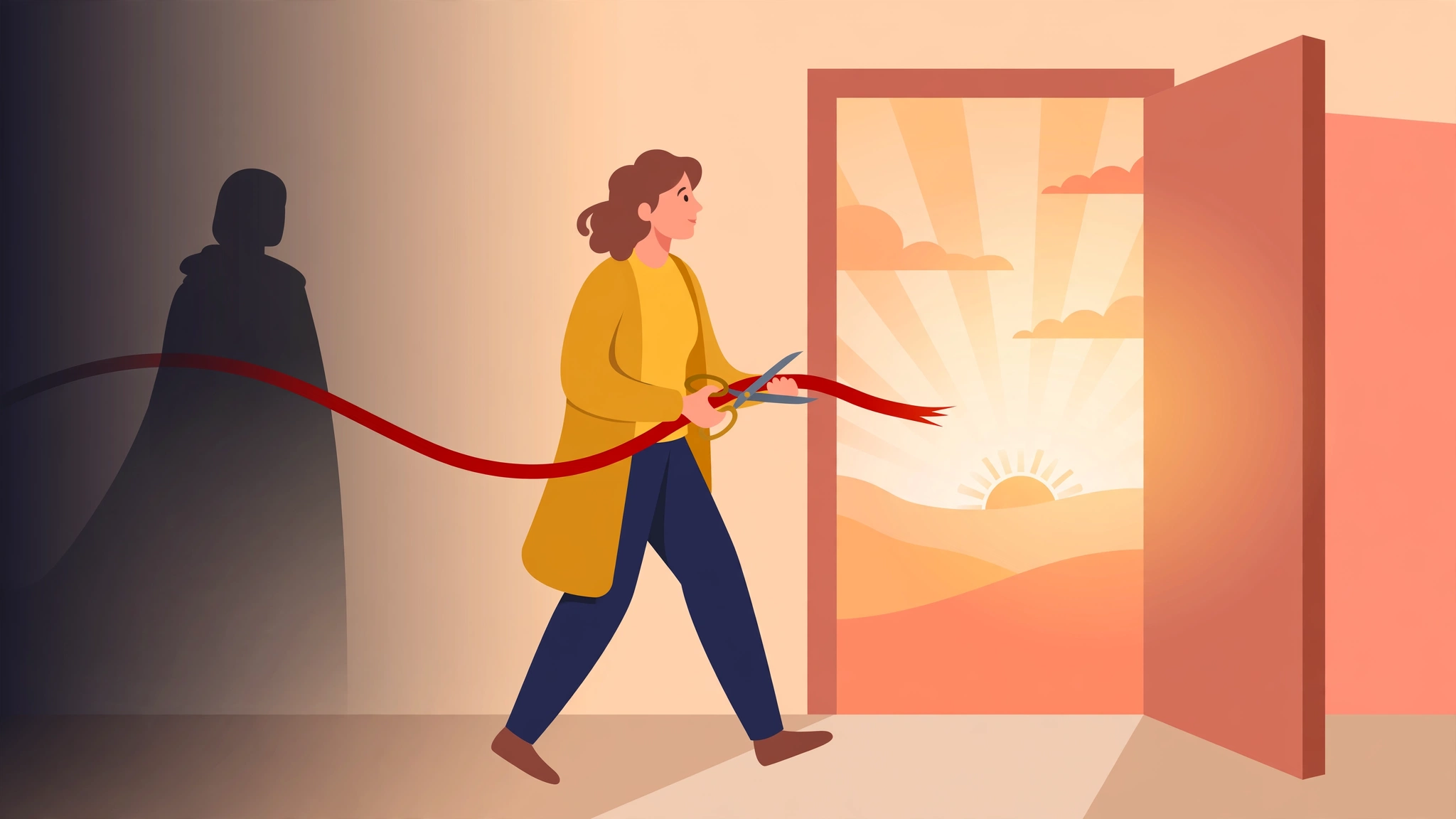
Distance starves the reinforcement cycle. If safe: stop all non-essential communication, mute or block on every channel, and avoid the rituals that pull you back. If you share children or finances, work with a therapist or advocate on a “low contact” plan — scheduled, brief, and in writing.
Step 4: Make a Safety Plan
If your partner has been threatening, controlling, or physically aggressive, leaving must be planned, not improvised. Pack a go-bag, identify a safe place, tell one person your plan, and review it with a domestic violence hotline. Leaving is statistically the most dangerous phase.
Step 5: Get Trauma-Informed Professional Help
You can begin the work alone, but trauma bonds hold fast — and that is okay. A trauma-informed therapist helps you untangle the attachment, rebuild boundaries, and calm the nervous system patterns that keep you hooked. If depression has taken root alongside the bond, our guide on supporting a partner with depression can help you see where relationship strain ends and clinical support begins.
The Withdrawal Window: Why Leaving Hurts More Than Staying
Once you recognize the trauma bonding signs, here is what most articles gloss over: the weeks after you leave often feel worse than the relationship did. That is not proof you made a mistake — it is neurochemistry. Your brain adapted to unpredictable dopamine spikes and a constant cortisol storm; removing the source creates genuine withdrawal: insomnia, intrusive thoughts, a magnetic urge to text or “just check” on them.
Plan for the window like you would any recovery:
- Expect the craving, don’t obey it. Name it: “This is withdrawal, not love.” Cravings peak and pass within 20–30 minutes — call your reality-circle person instead.
- Fill the first 30 days deliberately. The vacuum is the danger — boredom and silence are when the urge to reach out screams loudest.
- Keep an “evidence file.” Screenshots and journal entries of the ugly moments — when nostalgia edits history, the file corrects it.
- Do not date yet. Your attachment system is still wired to the old pattern. Give yourself a few months before inviting anyone new into the rebuilding space.
- Track the trend, not the day. One bad Tuesday does not erase a good month. Judge progress in weeks, not hours.
Breaking the Pattern: How to Avoid the Next Trauma Bond
Many survivors leave one trauma bond only to walk into another — not because they are flawed, but because their nervous system mistakes intensity for intimacy. Knowing the trauma bonding signs is not enough if the underlying pattern stays:
- Stop dating “potential.” Trauma-bonded people fall for who someone could be. Judge every relationship only by consistent behavior over months, never by peak moments.
- Learn your attachment wiring. If you grew up with an unpredictable caregiver, chaos may feel like home — and calm partners may seem “boring.” That boredom is often just the absence of anxiety: safety.
- Slow everything down. Future-faking in week three is a red flag, not romance. A healthy partner respects your pace.
- Protect your life while you date. If friendships, hobbies, or opinions start shrinking for someone new, treat it as an emergency brake — and avoid major commitments before three months of steady, drama-free behavior.
How to Help Someone Who Is Trauma Bonded
If someone you love is stuck, resist the urge to issue an ultimatum — “him or me.” It almost always backfires, pushing them deeper into isolation:
- Do: stay in contact, believe them, and keep the door open — “I’m worried about you, and I’ll be here whenever you’re ready.” Offer practical help (a couch, a ride, childcare) rather than lectures.
- Do: name specific behaviors, not labels. “When he screamed at you in the restaurant, that scared me” lands better than “you’re in an abusive relationship.”
- Don’t: criticize the partner relentlessly — it makes them defend the bond. And don’t give up after one failed rescue; most survivors make several attempts before it sticks.
- Don’t: share their confidences with the partner or mutual friends. Safety planning depends on trust.
Psychology Today maintains an in-depth trauma bonding research overview you can share with someone who is starting to question their situation.
FAQs
How do I know if I’m trauma bonded and not just in love?
Love makes you feel safer, steadier, and more like yourself over time. A trauma bond does the opposite: anxiety rises, your world shrinks, and you stay despite feeling harmed. The most reliable trauma bonding signs test is consistency: love is kind on ordinary Tuesdays, while a trauma bond alternates between cruelty and rescue, keeping you hooked on the rescue.
Can trauma bonding happen outside romantic relationships?
Yes. The pattern needs a power imbalance plus intermittent harm and kindness — not romance. Trauma bonds form with abusive parents, controlling bosses, manipulative friends, cult leaders, and captors. If you feel unable to leave someone who repeatedly hurts you, the dynamic deserves the same attention regardless of the label.
How long does it take to break a trauma bond?
There is no fixed timeline. Some feel the grip loosening within weeks of no contact, while bonds built over years — involving marriage, children, or finances — can take many months to dissolve. Recovery depends on the bond’s intensity, your support system, and professional help. Measure progress in trends, not days.
Why can’t I just leave, even though I know it’s bad?
Because the bond is partly chemical, not logical. Intermittent kindness triggers dopamine and oxytocin — the same reward chemistry behind addiction — while constant stress keeps your nervous system in survival mode. You are not weak; your brain adapted to an abnormal pattern. Naming it as a trauma bond is the first step toward loosening it.
Can therapy really help with trauma bonding?
Yes. Trauma-informed therapists help you map the abuse cycle, rebuild your sense of reality, set boundaries, and calm the nervous system patterns that keep you attached. Trauma-focused CBT and EMDR are widely used. Many survivors find that professional support — not willpower alone — is what finally breaks the cycle.
Is it normal to miss someone who hurt me?
Completely normal. You are not missing the harm — you are missing the relief of the good moments, the future you imagined, and the chemical rush of reconciliation. Grief after leaving a trauma bond is real grief. Feel it without treating it as proof that leaving was wrong; the ache is withdrawal, and withdrawal passes.
Healing from a trauma bond is one of the bravest things a person can do. You survived the hardest part — seeing the pattern for what it is. Now give yourself what the bond never could: consistency, safety, and time. And when you are ready to look ahead, try our free tools — a love calculator for a little lighthearted fun, and our AI relationship assistant at https://relationshiptips.net/ for guidance on building the steady, healthy love you deserve.