You are three sentences into a serious conversation when your partner goes blank. No eye contact, no nodding, no response. You keep talking, but you are essentially talking to furniture — and the furniture is winning. If this scene feels painfully familiar, you are likely dealing with stonewalling, one of the most damaging communication patterns a couple can fall into. The good news is that learning how to stop stonewalling in relationship conflicts is absolutely possible, and research shows that couples who break the pattern often come out stronger than before.
This guide covers everything the science says about stonewalling: what it is, why it happens, how it quietly damages relationships, and a practical 7-step plan — with exact scripts you can use tonight — to stop stonewalling in relationship arguments for good.
What Is Stonewalling in a Relationship?
Stonewalling is the act of withdrawing from a conversation during conflict. One partner shuts down emotionally and behaviorally instead of engaging with the issue — or with you. Relationship researcher Dr. John Gottman included stonewalling among his famous “Four Horsemen” of relationship dissolution: criticism, contempt, defensiveness, and stonewalling. In his decades of lab research, stonewalling emerged as one of the strongest predictors of divorce, especially in the early years of marriage.
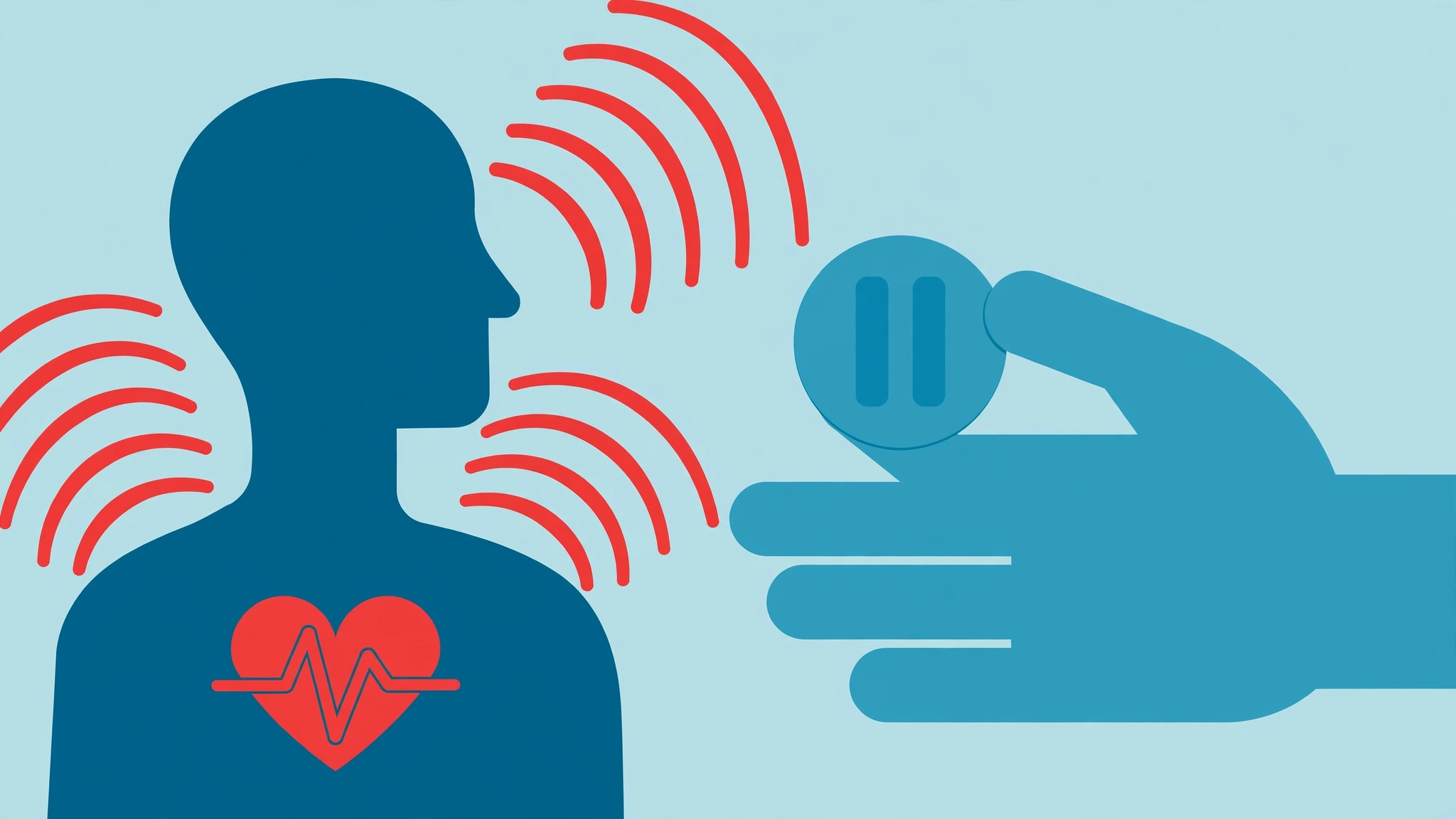
The key insight, though, is that stonewalling is usually involuntary. According to Gottman’s research, when a person gets hit with criticism or conflict, their heart rate climbs and stress hormones flood their system — a state Gottman calls “flooding” or diffuse physiological arousal. When flooded, the brain’s empathy and problem-solving centers effectively clock out. The person is not choosing to ignore you; their nervous system has temporarily pulled the plug on the exact faculties a productive conversation needs.
Stonewalling vs. the Silent Treatment
People use these terms interchangeably, but the difference matters. Stonewalling is usually an involuntary freeze response to being overwhelmed. The silent treatment is usually deliberate: silence used to punish, control, or force a reaction. In real life the line gets blurry — someone can start out genuinely flooded and, over time, learn that going quiet “works,” sliding from a panic response into a power move. Knowing which one you are dealing with changes how you respond, and we will cover both below.
12 Signs Your Partner Is Stonewalling You
Most stonewalling is quiet and deniable, which is why it is so hard to call out in the moment. Watch for these behaviors during conflict:
- Giving the silent treatment or one-word answers like “fine” and “whatever”
- Refusing to make eye contact or turning their body away from you
- Abruptly leaving the room without saying when the conversation will continue
- Changing the subject every time things get uncomfortable
- Minimizing your concerns (“it’s not that big a deal”)
- Acting busy or suddenly engrossed in their phone to dodge the conversation
- Eye-rolling, sighing, or other dismissive nonverbal signals
- Refusing to answer direct questions
- Physically tensing up — clenched jaw, crossed arms, rigid posture
- Ignoring texts or calls during a disagreement
- Agreeing just to end the conversation (“okay, fine, whatever you want”)
- Refusing to revisit the issue later, even when calm
Why Stonewalling Happens: What Is Really Going On Inside
Understanding the “why” is the fastest way to stop stonewalling in relationship conflicts, because it replaces blame with strategy. When you see the behavior as a nervous-system response rather than cold indifference, you stop pressing the exact buttons that make the wall go higher.
Emotional Flooding: The Body Hijacks the Conversation
During a heated argument, a flooded person’s heart rate can shoot past 100 beats per minute, vision narrows, and the brain’s empathy centers shut down. In that state, continuing the conversation is not just unproductive — it is physiologically almost impossible. Many stonewallers describe going completely blank, like a circuit breaker tripping. Their body is filing the conversation under “danger” and freezing to protect them.
The Four Emotions That Trigger Shutdown
Psychologists point to four emotions that most often push someone into a shutdown:
- Shame: feeling like a failure or a “bad partner” makes silence feel safer than exposure.
- Fear: when someone is scared of how you will react to their honest feelings, silence feels safer than the truth.
- Anger: when someone feels their autonomy slipping, anger flares first and withdrawal follows.
- Hopelessness: when someone decides the conversation is pointless, they simply check out.
Learned Behavior and Attachment Patterns
Many stonewallers grew up in homes where conflict felt dangerous — raised voices led to punishment, or feelings were mocked. In those homes, silence became a safety strategy, and the adult still goes quiet when emotions rise, even with a safe partner. People with avoidant attachment patterns also experience conflict as pressure or a threat to their independence, so they retreat to regain control. It is worth noting that in Gottman’s lab observations of heterosexual couples, the large majority of stonewallers were men — but this is a tendency from specific lab samples, not a verdict on your particular relationship.
How to Stop Stonewalling in Relationship Conflicts: The 7-Step Repair Plan
Here is the core of this guide: an evidence-based plan to stop stonewalling in relationship arguments that works whether you are the one shutting down or the one being shut out. The principle is simple — lower the threat first, talk second.
- Catch flooding early and name it out loud. Learn your warning signs: pounding heart, tight chest, shallow breathing, the urge to go silent. Then say what is happening: “I’m starting to shut down right now. Your words matter to me, but I need a minute before I can respond well.” Naming the behavior is the single move that converts stonewalling into a legitimate break.
- Call a structured time-out — with a return time. The time-out only works if it has a shape: what is happening, a promise to return, and a specific time. Try: “I care about this too much to shut down on you. Can we pick this back up at 7:30?” Research suggests stress hormones take about 20 minutes to start clearing, so take at least 20 minutes — not two, and not three days.
- Soothe your body, not your argument. During the break, do something that genuinely calms your nervous system: a walk, slow breathing, a shower, music. Do not use the time to rehearse your next brilliant point or replay your partner’s worst lines on a loop. A break spent fueling outrage is just a delayed explosion.
- Come back, every time. This step is non-negotiable. When you return, acknowledge the break and restart the conversation where it left off. A break that never returns is the silent treatment, whatever the original intention. Returning is what builds trust that pauses are safe, not abandonment.
- Swap criticism for complaints and “I feel” language. Because stonewalling usually follows criticism, the pursuing partner can break the cycle by aiming at the behavior, not the person. Replace “You never listen to me” with “I feel unheard when I’m interrupted during disagreements.” “I feel” statements are harder to argue with and far easier to respond to.
- Listen like you mean it when you return. Put the phone down, hold eye contact, ask open-ended questions (“Tell me more about that”), and reflect back what you heard (“So what I’m hearing is…”). Real listening is one of the strongest preventers of future shutdowns.
- Process your emotions solo before the big talks. Journaling your triggers after conflicts builds emotional literacy — the ability to name what you feel precisely (“ashamed,” “overwhelmed,” “afraid”) instead of acting it out sideways. Stonewalling is often just unspoken emotion leaking out as silence.
If You Are the One Being Stonewalled: What Actually Works
Being shut out hurts, and your instinct is to push harder — but pushing deepens the flood. Instead, try this approach to stop stonewalling in relationship dynamics from your side of the wall:
- Reframe what you are seeing. That blank wall is far more likely overwhelm than indifference. Treating it as a nervous-system response is the fastest way to stop yourself from escalating.
- Stop chasing and offer the break yourself. Try: “This feels overwhelming for both of us. Let’s take 30 minutes and come back to it.” You become teammates calming things down together instead of opponents.
- Choose grace over guilt. Guilting someone into talking almost never produces a real conversation — it breeds shame, which triggers more shutdown. Run your words through three questions: Is it true? Is it helpful? Is it kind? If yes to all three, add: Is the timing right?
- Tell them what the silence does to you — calmly. Many stonewallers genuinely do not realize the damage. Something like “When you go silent for hours, I feel anxious and disconnected. I would rather you tell me you need a break than disappear.” can be a turning point, as therapists frequently observe.
- Do not mistake a time-out for stonewalling. A named break with a promised return is healthy. Silence with no explanation and no return is not. Holding that distinction protects you from rewarding genuine withdrawal with endless patience.
If shutting down has become your partner’s default response across every disagreement — and you notice other concerning patterns — it may help to read about emotionally unavailable partners to understand the broader dynamic.
Digital Stonewalling: When the Wall Goes Up Over Text
Competitors rarely address this, yet it is where most modern stonewalling now happens. Leaving a partner on read for hours, answering with flat one-word texts during a disagreement, suddenly “being too busy” to call, or using read receipts as punishment — these are digital stonewalling. They carry the same sting as a slammed door, with one cruel difference: you get to stare at the evidence of being ignored.
To stop stonewalling in relationship communication over text, agree on digital ground rules when you are calm: no important conflict discussions by text (schedule a call instead), a maximum response window during disagreements (for example, “I’ll reply within an hour even if just to say I need time”), and a shared understanding that “seen” is not the same as “ignored.” Many couples find that simply moving heated topics off text and onto voice or video calls reduces shutdowns dramatically, because tone and facial cues keep the nervous system out of alarm mode.
The 30-Day Rebuild Plan: Rewiring Your Conflict Pattern
Stopping a single shutdown is a tactic; rebuilding the pattern is a project. Therapists recommend couples treat the 30 days after committing to change as a deliberate practice period:
- Week 1 — Map your triggers. After any tense moment, each partner privately writes down what was said right before the shutdown urge appeared, what they felt in their body, and what emotion was underneath. Compare notes once, without debating them.
- Week 2 — Practice the time-out script. Rehearse the exact words you will use when flooding starts. Couples who pre-agree on a script (“I’m flooding — 20-minute reset, back at 8”) use it far more reliably in the heat of the moment.
- Week 3 — Install a weekly 15-minute check-in. Share one feeling and one appreciation each, with a timer and no problem-solving. Low-stakes emotional contact builds the muscle that high-stakes conversations need. This practice is one of the most reliable ways to build trust in a relationship over time.
- Week 4 — Review and repair. Ask each other: Which shutdowns did we handle better? What still trips us up? Celebrate the wins out loud — progress in communication patterns is slow, and noticing it is what keeps the motivation alive.
Expect backsliding. Old nervous-system habits do not rewire in a straight line. What matters is that each repair gets a little faster and a little kinder.

When Stonewalling Crosses the Line Into Emotional Abuse
Most stonewalling is a coping response, not a cruelty strategy — but the line into emotional abuse is real. Take an honest look at this checklist:
- The silence is used deliberately to punish you, often for days at a time.
- Your partner refuses to discuss any issue and shows contempt (eye-rolling, mockery) rather than overwhelm.
- The pattern appears alongside control: monitoring you, isolating you, or threatening to leave.
- You have changed your behavior — stopped raising needs, walked on eggshells — to avoid triggering shutdowns.
- They acknowledge the behavior but show zero interest in changing it.
If several of these ring true, this is no longer a communication problem you can script your way out of — it is a safety and respect problem. Individual therapy, couples counseling, or a trusted support network should be your next step, not another self-help article. Even in milder cases, if stonewalling has become your go-to response in every difficult situation, working with a counselor to unpack the underlying causes is one of the most effective steps you can take. Psychologists at the Cleveland Clinic note that therapy can help both with the shutdown pattern and the anxiety, trauma, or learned habits feeding it, while research summaries at Science of People confirm that couples who learn to recognize flooding and replace it with self-soothing measurably improve their relationship satisfaction.
FAQs
Is stonewalling the same as the silent treatment?
Not quite. Stonewalling is usually an involuntary shutdown from emotional overwhelm — the nervous system freezes before the thinking brain catches up. The silent treatment is usually deliberate: silence used to punish, control, or force a reaction. The same person can do both at different times, so look at the pattern, not just the moment.
How long does stonewalling usually last?
Minutes to hours when it is genuine flooding, since stress hormones take about 20 minutes to start clearing. If the silence stretches past a day with no explanation or promised return, it has crossed into the silent treatment, which is a different — and more damaging — behavior.
Is stonewalling emotional abuse?
Not always. Most of the time it is an overwhelmed coping response, especially from people with anxiety, trauma histories, or conflict-avoidant upbringings. It becomes emotional abuse when it is deliberate, prolonged, and used to control or punish a partner — especially alongside contempt, threats, or isolation.
Can a relationship survive stonewalling?
Yes. Gottman’s research shows that couples who learn to recognize flooding, take structured breaks, and replace shutdowns with constructive engagement significantly improve their relationship satisfaction. Recovery requires both partners to work on the pattern — but it is one of the most treatable of the Four Horsemen.
What should I say when my partner shuts down mid-argument?
Try something calm and specific: “I can see you’re overwhelmed. Let’s take 30 minutes and come back to this at 8.” Naming what you see without accusing, offering space instead of pursuing, and setting a concrete return time converts a shutdown into a healthy pause — and protects your own dignity in the process.
Why does my partner shut down but my friends don’t?
Stonewalling typically appears in relationships with the highest emotional stakes, because that is where flooding is most intense. Your partner may also have a lower threshold for physiological arousal, a learned shutdown habit from childhood, or an avoidant attachment style that turns conflict into a perceived threat to independence.
Tearing down the wall starts with a single honest sentence — naming the shutdown, taking a real break, and coming back every time. If you want to explore the patterns shaping your own relationships, try the free tools at relationshiptips.net, including the love calculator and the AI relationship assistant, for fresh perspective on how you and your partner connect.