So, what is love bombing, exactly? It is an emotional manipulation tactic in which someone floods you with excessive affection, flattery, and grand gestures at the very start of a relationship — to win you over quickly and gain control. When the intensity is wildly out of proportion to how long you have known each other, it is often the opening move of a toxic cycle. Below: the 9 warning signs, the brain science behind them, what it sounds like over text, and exactly what to say and do.
What Is Love Bombing? The Definition
Psychologists define love bombing as overwhelming someone with intense affection, constant communication, compliments, and commitment promises far too early in a relationship — creating rapid emotional dependency and obligation. WebMD describes it as an emotional manipulation technique that “often points to the beginning of an unhealthy, toxic, or abusive relationship.”
The term was coined in the 1970s to describe cult recruitment tactics — showering recruits with flattery to win loyalty before introducing control. In dating it works the same way: the warmth is the hook, and the control follows later. What makes it tricky is that it exists on a spectrum:
- Naive over-enthusiasm: Some people do not realize how intense they seem — their behavior may come from insecurity or anxious attachment, not malice. The effect on you can still be unhealthy.
- Unhealthy patterns: Some love bombers idealize you, get swept up in infatuation, then abruptly lose interest when real intimacy is required.
- Intentional manipulation: Others love bomb deliberately to gain control. Research links narcissistic traits to love bombing — the goal is lowering your guard so you are easier to control.
Regardless of intent, the outcome is the same: you become emotionally hooked before you have evaluated who this person really is.
Why Love Bombing Is So Hard to Resist: The Brain Science
Most guides to what is love bombing skip why it works on smart people. The answer is neuroscience: in the early days, your brain floods with dopamine and oxytocin. Every gift and “you are the most amazing person I have ever met” text delivers a hit, and your brain learns to link this person with euphoria.
Then comes the darker chemistry: intermittent reinforcement. Once you are hooked, the love bomber alternates warmth with coldness — and unpredictable rewards are far more addictive than consistent ones. You chase the high of the early days, working to “win back” the person who once adored you. This is the mechanism behind trauma bonding, and why leaving can feel like breaking an addiction. The confusion you feel is not proof the love was real — it is the predictable effect of a predictable pattern.
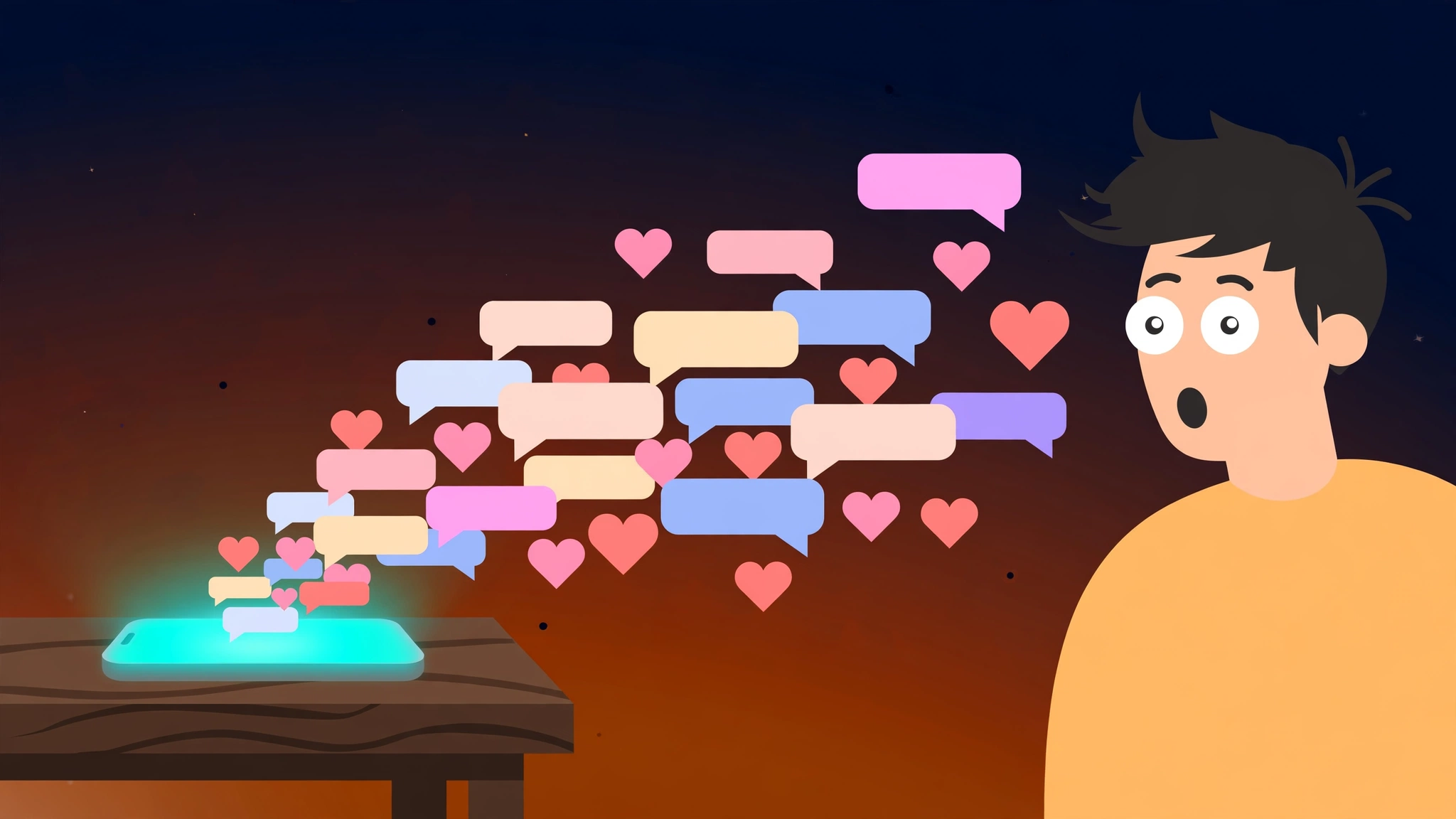
9 Warning Signs of Love Bombing
One sign alone proves nothing — context and patterns matter. But when several show up together, pay close attention.
1. The Relationship Moves at Lightning Speed
Three dates in and they are talking about moving in, planning vacations, or calling you their soulmate. Healthy affection deepens gradually; love bombing skips that phase entirely. If the commitment does not match the number of real conversations you have had, that is a warning sign.
2. Nonstop Communication With Pressure to Reply
Good-morning texts, midday check-ins, hourly “thinking of you” messages — plus irritation when you do not reply fast enough. A love bomber may contact you dozens of times a day and treat a delayed reply as proof you do not care. Genuine dating respects your job, friends, and life outside the relationship.
3. Extravagant Gifts and Grand Gestures That Feel Performative
Expensive jewelry on date two, surprise trips before you are even a couple, public declarations of love. The gifts are designed to impress and create debt — and the love bomber will remind you of them later, when they want something in return.
4. Over-the-Top Compliments and Idealization
“You are perfect.” “I have never met anyone like you.” Being put on a pedestal feels wonderful — until you realize pedestals are for statues. Show normal human flaws, and the person who worshipped you may start criticizing what they once praised.
5. They Mirror All Your Interests and Opinions
Suddenly they love your obscure band, share your exact views, agree with every opinion. Some mirroring is natural, but wholesale personality cloning manufactures false compatibility before any real bond exists.
6. They Push for Exclusivity or Labels Immediately
“So are we official?” on the second date. Pressure to delete dating apps or define things within days. The rush is strategic: once you are “official,” your boundaries become betrayal and your independence becomes disloyalty.
7. Isolation From Friends and Family
They want all your free time, get moody when you see friends, or claim your family “does not understand” them. Isolation removes the outside perspectives that could help you see the pattern.
8. Guilt-Tripping When You Set Boundaries
Ask for a slower pace and watch. A healthy person may feel disappointed but respects it; a love bomber treats your boundary as a personal attack — “After everything I have done for you?” Tears, anger, or the silent treatment over “I need space this weekend” reveals the control underneath.
9. Hot-and-Cold Behavior Starts to Creep In
Adoration now comes with conditions: warm when you comply, distant when you do not. Small things trigger affection withdrawal as punishment — the start of devaluation, when many people work overtime to win back the early-days person.
The 3 Stages of Love Bombing
This three-stage cycle — described by Dr. Roxy Zarrabi in Psychology Today — is the classic answer to what is love bombing in practice:
- Idealization: Grand romantic gestures, “future faking” (discussing marriage or moving in within weeks), excessive flattery, and demands for constant contact — designed to get you deeply invested, fast.
- Devaluation: Once you are committed, the mask slips — criticism, hot-and-cold behavior, gaslighting, and the silent treatment. Nothing feels good enough, so you work harder to win back their approval.
- Discard: The love bomber turns cold, takes no accountability, and may abruptly end things. Try to leave earlier, and they may briefly restart idealization to pull you back, beginning the cycle all over again.
A 484-person study linked love bombing to low self-esteem, narcissistic tendencies, and insecure attachment in the bomber — this is about their psychology, not your worth.
What Love Bombing Sounds Like Over Text
Wondering what is love bombing in the digital age? Your message history holds the answer:
| Love-Bombing Text | Healthy Early-Dating Text |
|---|---|
| “Good morning beautiful 😍 I missed you so much last night” (day 2) | “Morning! Had a great time last night 😊” |
| “You are literally the most perfect person I have ever met” (week 1) | “I really enjoy talking to you — looking forward to Friday” |
| “Why didn’t you answer? I texted you 20 minutes ago??” | “No rush on replying — catch up whenever you’re free” |
| “After everything I’ve done for you, you can’t even pick up the phone?” | “Hey, everything okay? Just checking in” |

Digital-Age Red Flags: Love Bombing on Social Media
Performative public declarations, rapid infiltration of your circle, location tracking, digital jealousy, and love-bombing by content are all common:
- Performative public declarations: Posting couple photos or announcing “I found my soulmate” within days — making it harder to slow down or leave.
- Rapid infiltration of your circle: Following your friends and family within the first week and liking months of old posts — surveillance disguised as enthusiasm.
- Location and activity tracking: Demanding live location “for safety,” checking when you were last online, or questioning who liked your photos.
- Digital jealousy: Getting upset about who you follow or demanding you delete certain contacts.
- Love-bombing by content: A constant stream of reels, songs, and memes about “us” — a fantasy world that outpaces the actual relationship.
Digital or not, the question behind what is love bombing is always the same: does this intensity serve connection, or control? If their online behavior is far more intense than the real-life relationship warrants, treat it like any other love-bombing sign, then compare it against the bigger picture:
Love Bombing vs. Real Love: The Key Differences
So what is love bombing, really — and where does healthy enthusiasm end? The difference lies in the pattern, not any single act:
| Love Bombing | Real Love |
|---|---|
| Intensity is immediate and disproportionate to how long you have known each other | Affection grows gradually alongside genuine knowledge of each other |
| Feels overwhelming, pressuring, or anxiety-inducing | Feels secure, steady, and calming — even when exciting |
| Boundaries are treated as rejection or betrayal | Boundaries are respected, even when disappointing |
| Affection is withdrawn as punishment | Disagreements happen but affection is not used as a weapon |
| You feel you must earn their love back | You feel accepted even on your imperfect days |
The simplest test: does the affection make you feel free or trapped?
Why Do People Love Bomb?
People who ask what is love bombing often ask why anyone would do this. The motives overlap:
- Narcissistic traits: A need for admiration and control. You are idealized as the perfect “supply” — until you stop serving that purpose.
- Insecure attachment: A deep fear of abandonment drives them to lock you down fast. The clinginess comes from their anxiety, not your specialness.
- Learned behavior: Some grew up where love was intense and conditional — and genuinely believe this is what love looks like.
- Past trauma: Childhood trauma or past abusive relationships can teach someone that overwhelming a partner is the only way to keep them.
None of these excuses the behavior. The “why” is for your clarity — the problem was never that you were not enough. If you are navigating the aftermath, learning to stop thinking about your ex can help you reclaim your mental space.
How to Respond to Love Bombing: Your Action Plan
Once you understand what is love bombing, the question becomes practical: what do you actually say? Here is what “set boundaries” looks like, word for word:
1. Slow the Pace — Deliberately
Try a 7-day slow-down test: reply to non-urgent messages after a few hours instead of instantly, keep two evenings a week for yourself, and decline one grand gesture. A healthy person adjusts; a love bomber escalates, guilt-trips, or punishes you. Their reaction is the answer.
2. Use These Exact Scripts
When they push for more than you are ready for, try one of these:
- “I really enjoy getting to know you, and I want to take things at a pace that feels good for both of us.”
- “That is a generous gift, but it is too much for this stage. I would rather we keep things simple while we are still learning about each other.”
- “I need tonight to myself. I will talk to you tomorrow — this is about me recharging, not about my feelings for you.”
- “Saying I do not care because I did not reply in ten minutes is not fair. I care about you, and I also need space.”
3. Run the Disagreement Test
Voice a small, calm disagreement — a movie, a restaurant. Healthy partners shrug it off; love bombers pout, withdraw affection, or turn it into a referendum on the relationship. How someone handles your “no” reveals how they will handle bigger boundaries.
4. Keep Your Support System Close
Do not let the relationship consume your calendar. Tell a trusted friend what you are noticing and ask them to be honest — outsiders often recognize the pattern of what is love bombing sooner than you can from inside the haze. If multiple people express concern, take it seriously.
5. Trust the Pattern, Not the Apology
Love bombers are often excellent apologizers — the apology restarts the idealization phase. Judge by sustained behavior change over weeks, not by how moving the apology sounds.
6. Know When to Leave
If boundaries are repeatedly ignored, affection is used as a weapon, or you feel afraid — it is time to go. Skip couples counseling with an emotionally abusive partner; talk to a trusted friend, family member, or counselor individually instead. If you ever feel unsafe, contact the National Domestic Violence Hotline at 1-800-799-7233 or visit thehotline.org. Unsure about cutting contact? This guide on whether you should text your ex can help you decide.
FAQs
Is love bombing always intentional?
No. It runs from naive over-enthusiasm to deliberate manipulation, and some people do it from insecurity without realizing it. But intent does not determine impact — even unintentional love bombing creates unhealthy dependency, so the pattern deserves attention regardless of motive.
How long does love bombing usually last?
The idealization phase typically fades within two to three months — the “three-month rule” — when criticism, control, or hot-and-cold behavior surfaces. Timelines vary, and the cycle can restart: if you try to leave, many love bombers briefly return to idealization to pull you back.
Can love bombing happen in friendships or family relationships?
Yes. Anyone can love bomb — an overly intense new friend demanding constant availability, a possessive parent overwhelming you with attention to control your decisions, or even a colleague. The core pattern is the same: excessive attention used to create obligation, dependency, or control.
What is the difference between love bombing and just being really into someone?
Genuine enthusiasm respects your autonomy — the person is excited but accepts your pace and boundaries. Love bombing feels overwhelming: intensity outpaces how well you know each other, boundaries trigger guilt, and affection comes with strings attached. Ask yourself: do I feel free, or trapped?
Can love bombing turn into real, healthy love?
Rarely. Love bombing is built on idealization and control, not genuine knowledge and respect. Change requires the bomber to recognize the pattern, take accountability, and do sustained work — often in therapy. Promises are not enough; watch for consistent changed behavior over months.
What should I do first if I think I am being love bombed?
Slow down before making big decisions. Keep your routines and friendships intact, notice how the small boundary, and get an outside perspective from someone you trust. Remember: you do not owe anyone a relationship just because they were nice at the start.
If this article helped you see your situation more clearly, try our free tools — the love calculator for a little fun, or the AI relationship assistant for personalized guidance, both at relationshiptips.net.